




Introduction to Budae Jjigae (Korean Army Stew)
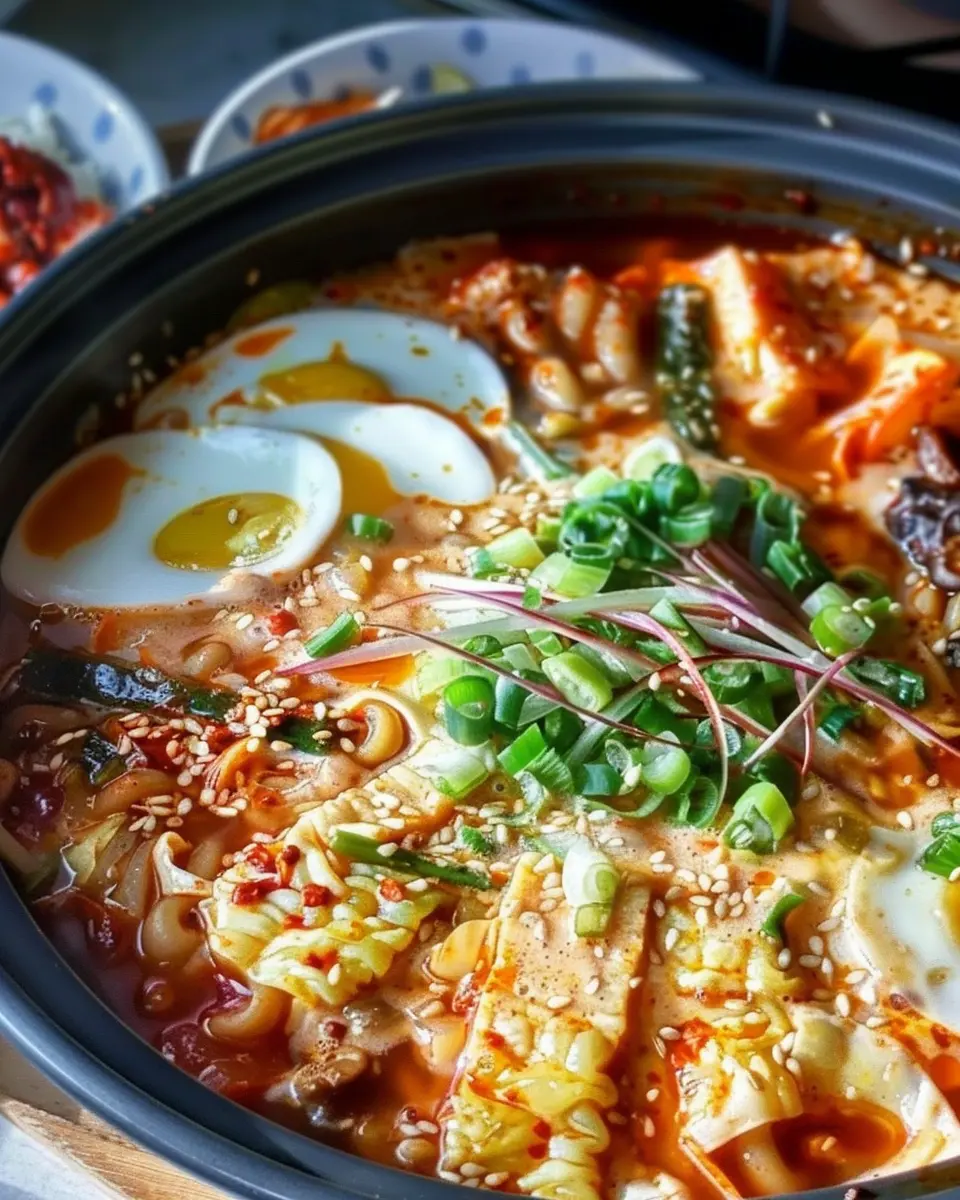
If you’re on the lookout for a dish that’s not just hearty but also packed with history, budae jjigae might just become your new favorite. Often nicknamed “Korean Army Stew,” this delectable meal has interesting roots that trace back to the aftermath of the Korean War. People needed to make do with limited ingredients, which led to the creative use of surplus food, including canned items from the U.S. military. This blend of flavors and textures is why budae jjigae has built such a loyal following both in Korea and around the world.
So, what makes budae jjigae so beloved? For starters, its versatility allows for a wide array of ingredients—from Turkey Bacon to Beef, and even tofu and vegetables. This means that you can enjoy it as a filling meal or tailor it to your own taste preferences. The bubbling pot of savory broth, mixed with spicy gochujang (Korean red chili paste), provides a comforting embrace on chilly nights or when you need a little pick-me-up.
A Communal Experience
Beyond just the food, budae jjigae embodies a communal spirit. Traditionally served in a hot pot, this dish invites people to gather around the table, share stories, and dig in straight from the pot. It creates a friendly atmosphere that’s perfect for a casual dinner with friends or a cozy gathering.
Many people cherish the memories associated with this dish. For instance, I remember the first time I tried budae jjigae at a local Korean restaurant, where the ambiance buzzed with laughter and clinking bowls. It wasn’t just the robust flavors that captivated me—it was also the experience of sharing this meal with others.
Delicious Ingredients to Explore
If you’re interested in trying this at home, here are some key ingredients to look out for:
- Turkey Bacon
- Chicken Ham
- Beef
- Tofu
- Various Korean vegetables (like napa cabbage and enoki mushrooms)
For more authentic flavors, check out Korean Pantry Essentials to stock up on ingredients.
In summary, budae jjigae is more than just a stew; it’s a heartfelt dish laden with history and community spirit. As you dive into this delightful recipe, remember that you’re participating in a culinary tradition that has brought people together for decades.
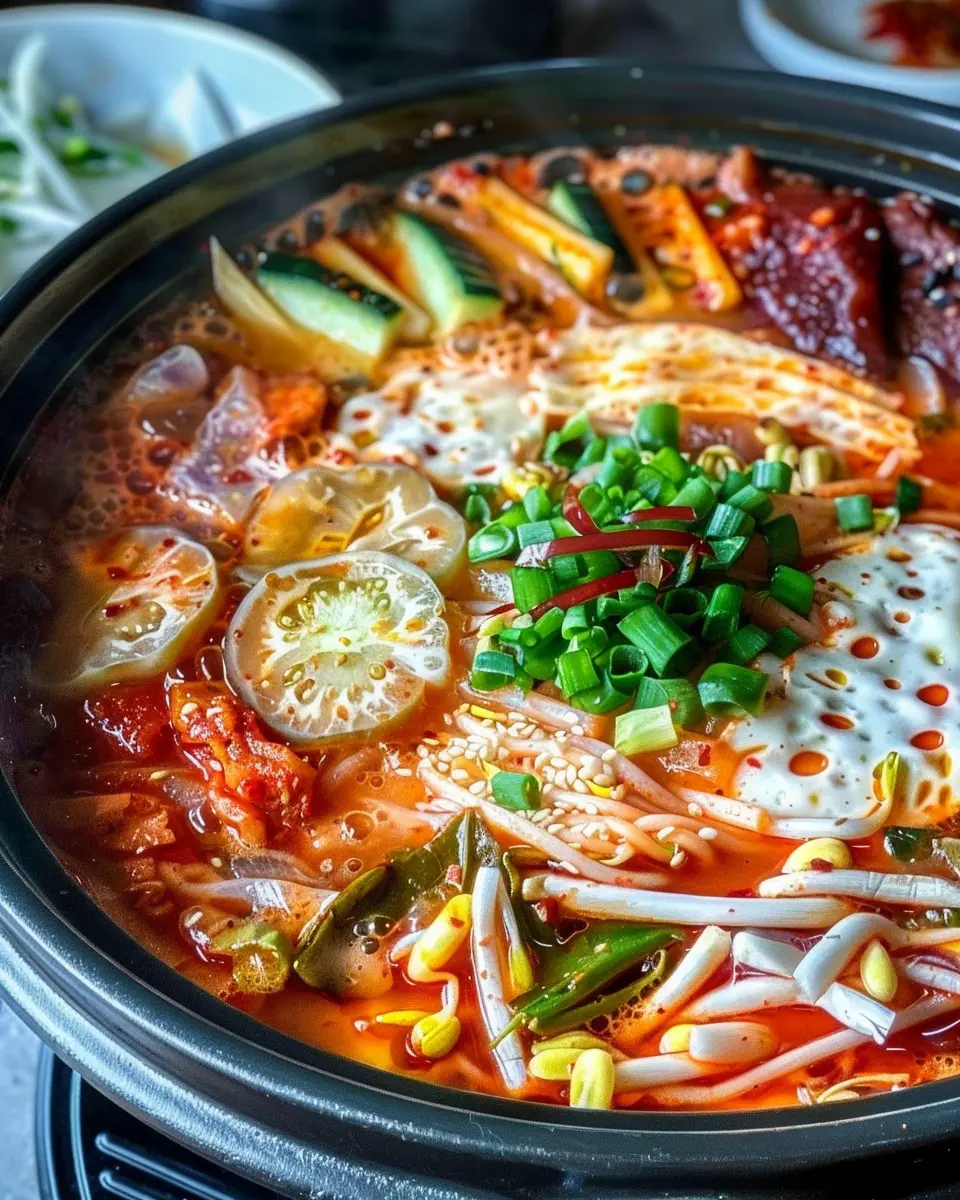
Ingredients for Budae Jjigae
Making a delicious pot of budae jjigae translates into a cozy gathering around the table. To get started, gather these essential ingredients to craft your own Korean Army Stew:
Essential ingredients you’ll need
- Beef: Choose thinly sliced beef for that melt-in-your-mouth texture.
- Turkey Bacon: A delightful smoky flavor that adds depth.
- Chicken Ham: This brings in a nice saltiness without overwhelming the dish.
- Kimchi: A staple in Korean cuisine, offering spice and tang.
- Tofu: Firm tofu soaks up all the savory flavors.
- Instant noodles: Perfect for that hearty, comforting element.
Optional ingredients for customization
Feel free to make your budae jjigae your own with additions like:
- Vegetables: Mushrooms, green onions, or sliced zucchini can brighten up the stew.
- Cheese: A handful of melted cheese on top can give your stew a creamy, luscious finish.
- Rice cakes: Adds a unique chewy texture that’s delightful.
Explore local Asian grocery stores for these ingredients, as they often have what you need to make an authentic budae jjigae. Happy cooking!
Preparing Budae Jjigae
Creating budae jjigae, also known as Korean army stew, is not just about following a recipe—it’s a delightful culinary experience that brings friends and family together. This dish has its roots in Korean history, combining traditional ingredients with a resourceful twist borne from scarcity during the war. Let’s walk through the steps of preparing this comforting stew that you’ll want to make again and again!
Gather Your Ingredients
To whip up a memorable pot of budae jjigae, you’ll need to assemble a variety of flavorful ingredients. It’s essential to have a balanced mix to create that rich, inviting taste. Here’s what you’ll need:
- Broth: 4 cups of beef broth (or vegetable broth for a lighter base)
- Protein:
- 2 slices of turkey bacon
- 1 cup of chicken ham, cubed
- 1 cup of beef, sliced thinly
- Vegetables:
- 1 cup of kimchi
- 1 cup of sliced mushrooms (shiitake or enoki work well)
- 1 cup of tofu, cubed
- 1 peeled and thinly sliced onion
- Extras:
- 1 cup of instant noodles
- 1 cup of shredded cheese (mozzarella or cheese blend)
- Seasonings:
- 2 tablespoons of gochujang (Korean red pepper paste)
- 1 tablespoon of soy sauce
- 1 tablespoon of minced garlic
- 1 teaspoon of sesame oil
Having everything prepped beforehand will make the cooking process smooth and enjoyable. It’s like setting the stage for a delicious performance!
Mix the Sauce
The flavor of your budae jjigae truly stems from the sauce that you’ll mix together. In a small bowl, combine the gochujang, soy sauce, minced garlic, and sesame oil. This blend offers a salty, spicy, and umami kick to the stew.
Pro Tip: If you prefer a milder stew, feel free to adjust the amount of gochujang to suit your taste. Many find that the balance of flavors is a delightful dance of heat and savory goodness (learn more about Korean condiments here).
Arrange the Ingredients in a Pot
Now comes the fun part—layering the ingredients in the pot! Choose a large, deep skillet or a pot where all the magic will happen. Start by spreading the kimchi at the bottom, which helps create a flavorful base. Then, add the tofu, turkey bacon, chicken ham, and sliced beef. Follow these ingredients with the onions and mushrooms, creating a colorful, appetizing display.
Pour that delicious broth you prepared over everything. Drizzle your sauce over the top, ensuring every ingredient gets a taste of the flavor.
Simmer the Stew
Bring your pot to a gentle boil over medium heat, then reduce the temperature for a slow simmer. This is where the ingredients can mingle and develop their flavorful profiles. Allow the stew to simmer for about 15-20 minutes, uncovered. You’ll know it’s ready when the beef is tender and the aroma fills your kitchen, beckoning everyone to the table!
Add the Instant Noodles and Cheese
As you prepare to serve this comforting dish, it’s time to add the finishing touches! Break the instant noodles into smaller pieces and add them to the bubbling pot, letting them cook for about 3-5 minutes.
For a gooey, decadent experience, top it all off with a generous layer of shredded cheese. Cover the pot for a few minutes until the cheese melts. The result? A beautiful presentation of budae jjigae that’s as comforting to eat as it is enticing to look at!
Get ready to ladle out some steaming bowls of this hearty stew. Trust me, as you gather around the table with friends or family, each bite will be a warm reminder of how food can truly bring people together. Enjoy your meal!
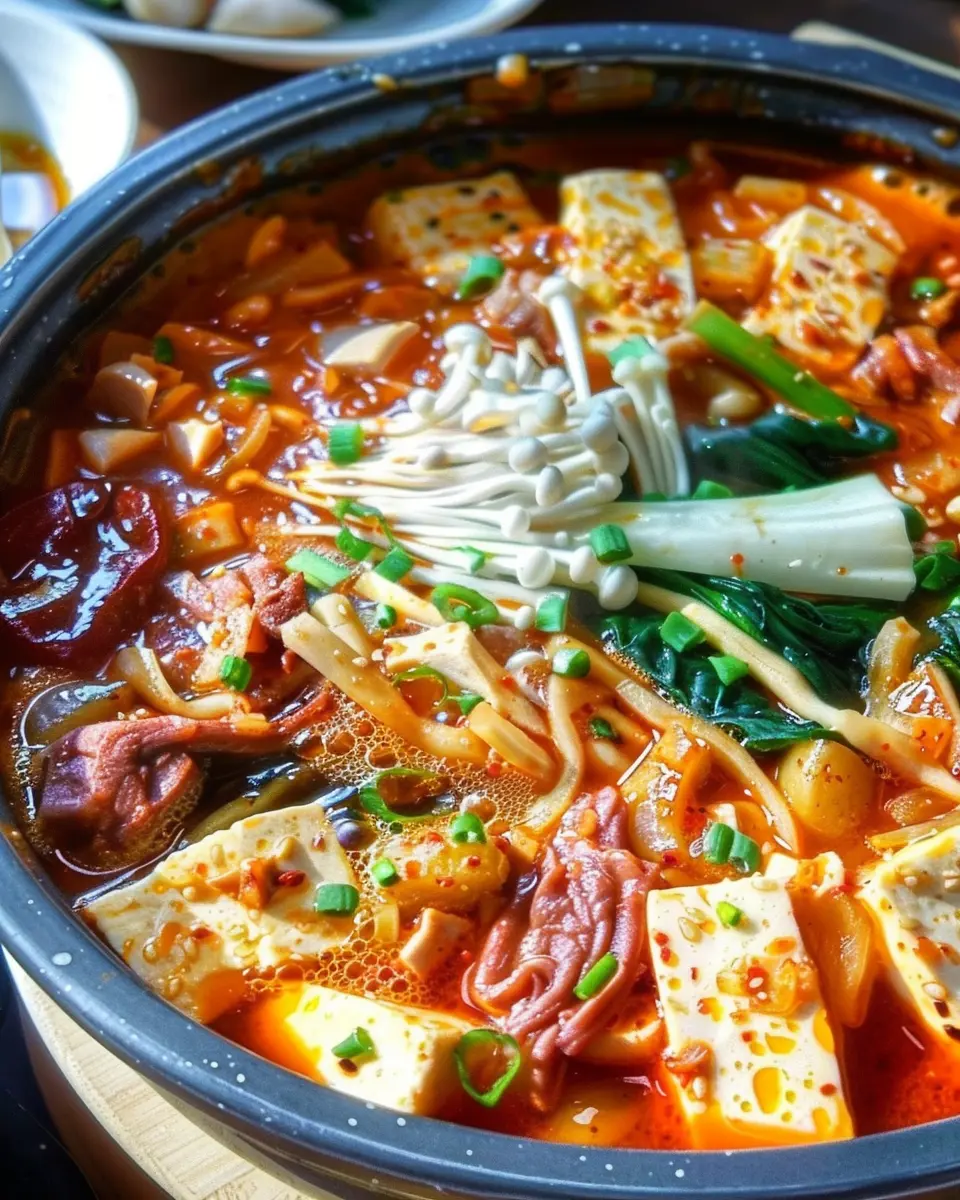
Variations of Budae Jjigae
Exploring the variations of budae jjigae can transform a classic dish into something uniquely your own. Whether you’re a heat lover or looking for vegetarian alternatives, there’s a version of this delightful stew that will tantalize your taste buds.
Spicy Budae Jjigae for Heat Lovers
If you crave bold flavors, a spicy budae jjigae version is perfect for you. Start with your usual ingredients, then amp up the heat by adding extra gochujang (Korean red chili paste) and sliced fresh chili peppers. A dash of chili flakes can also intensify the spiciness. Try incorporating spicy sausage in place of the turkey bacon for a delicious kick. This variation is great for those chilly evenings when you need something warm and invigorating. Don’t be surprised if you end up with a new family favorite!
Vegetarian Budae Jjigae Options
For those who prefer a plant-based diet or are simply looking to lighten up their meal, vegetarian budae jjigae can still pack a punch. Substitute beef with hearty mushrooms like shiitake or portobello, which add a meaty texture without the animal products. You can also use tofu for additional protein. Boost the flavor with an array of vegetables such as carrots, zucchini, and bok choy to create a colorful and satisfying dish. Not only is this version delicious, but it also aligns with the increasing trend of plant-based eating among young professionals.
Incorporating these variations into your cooking toolkit allows for flexibility while experimenting with flavors. Remember, the joy of cooking is in making a dish that resonates with your preferences, so feel free to mix, match, and make this beloved stew distinctly yours!
Cooking Tips for Budae Jjigae
Adjusting Heat Levels
When you’re making budae jjigae, the heat level can be easily adjusted to match your palate. Start with a medium simmer and then taste as you go. If you like it spicier, consider adding more gochugaru (Korean red pepper flakes), or even sliced fresh chilies. Conversely, if it’s too spicy for your taste, a splash of coconut milk can help mellow it. Just remember, patience is key—allow the flavors to meld together as it cooks!
Ingredient Substitutions to Try
One great aspect of budae jjigae is its versatility. If you’re looking for alternatives to traditional ingredients, you might consider the following substitutions:
- Turkey Bacon instead of pork, for a leaner option.
- Chicken Ham can replace traditional ham, adding a nice flavor without the extra fat.
- For a beef twist, replace any sausage with thinly sliced beef, which adds richness to the broth.
Feel free to experiment! Add tofu or rice cakes for added texture. For more recipe inspiration, check out Korean kitchen techniques. Happy cooking!
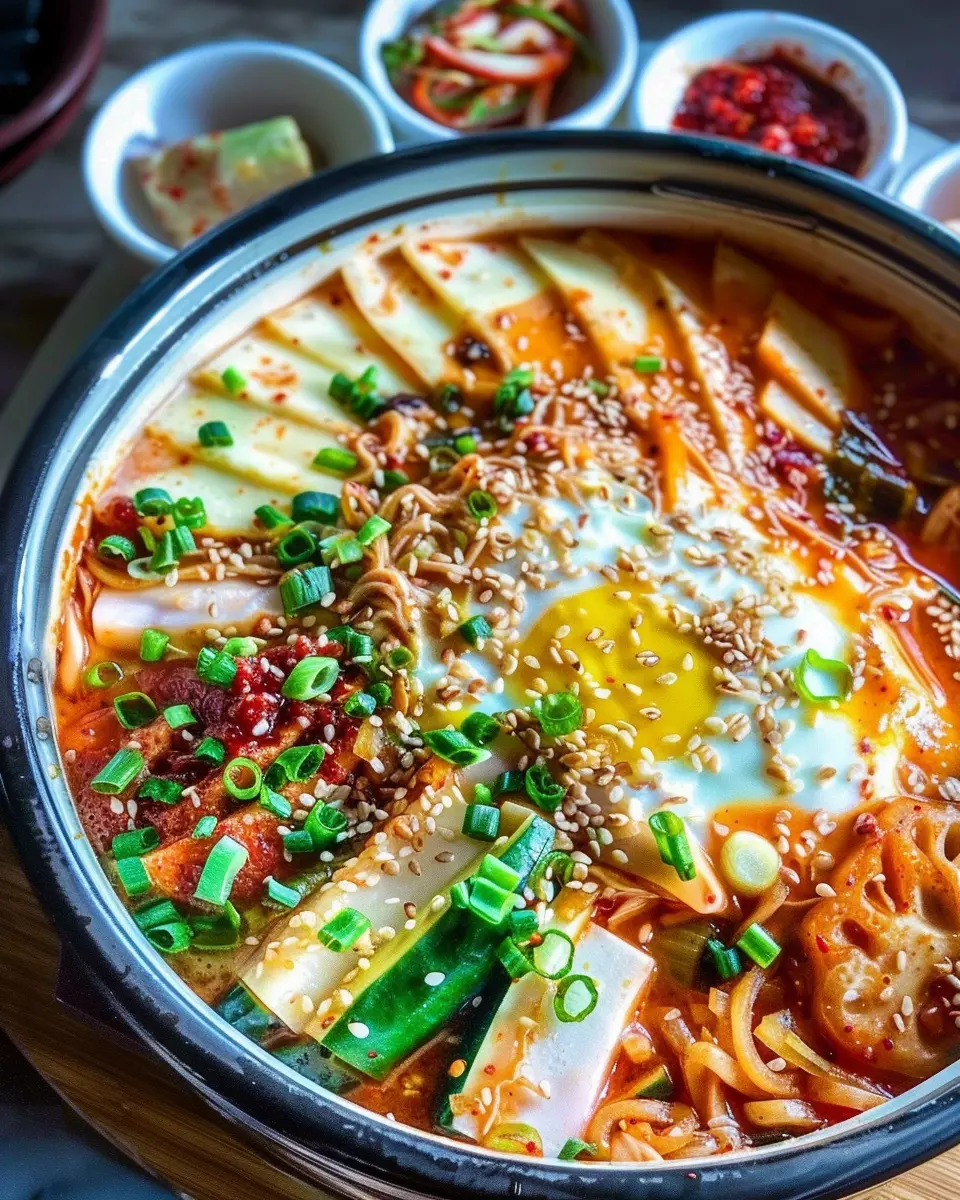
Serving suggestions for Budae Jjigae
Accompaniments to enhance your meal
When it comes to enjoying budae jjigae, the right accompaniments can take your meal to the next level. Here are a few options to consider:
- Steamed Rice: A bowl of fluffy white rice is a fantastic companion that balances the spicy broth.
- Kimchi: This traditional fermented side dish adds a delightful tang and crunch.
- Pickled Vegetables: A side of pickled radish or cucumbers can provide a refreshing contrast to the rich flavors of the stew.
- Korean Pancakes (Pajeon): These savory pancakes are perfect for dipping in the stew and can make your meal even more filling.
Best ways to enjoy this dish
Budae jjigae is best enjoyed with friends! Gather around the table, ladle out portions, and don’t forget to customize! You might want to add:
- Extra Noodles: Toss in some instant ramen for those who love a hearty bite.
- Additional Vegetables: Spinach or mushrooms can enhance the dish’s nutritional value.
For the ideal dinner setup, why not pair this comfort food with a Korean-style soda or sparkling water? The fizz can cut through the richness of the stew, making each bite a joy.
Want more tips on perfecting your budae jjigae experience? Check out this wonderful guide on Korean dining etiquette. Sharing meals is part of the adventure, so don’t hold back on the conversation and laughter!
Time breakdown for Budae Jjigae
When it comes to preparing a delightful budae jjigae, timing is everything. Here’s a quick look at what to expect in terms of preparation and cooking.
Preparation time
You’ll want to set aside about 15-20 minutes to gather and chop your ingredients. Think of this as a nice way to unwind after a busy day, because slicing vegetables and arranging your proteins can actually be quite relaxing!
Cooking time
The real magic happens in the next 30-40 minutes. This is when your stew transforms from mere ingredients into a comforting dish brimming with flavor. Remember to stir occasionally and keep an eye on the pot!
Total time
All in all, plan for around 50-60 minutes from start to finish. It’s totally worth it when you’re sitting down to enjoy your lovingly crafted budae jjigae. For more tips on creating this delicious dish, check out this Korean cooking resource, or dive into the history of budae jjigae at Korean Food Foundation. Happy cooking!
Nutritional facts for Budae Jjigae
Budae jjigae, or Korean Army Stew, packs a flavorful punch along with a unique nutritional profile.
Caloric content
On average, a serving of budae jjigae contains about 450-600 calories, depending on the ingredients and portion sizes used. It’s a hearty dish, perfect for chilly evenings, but be mindful of those calories if you’re watching your intake.
Macronutrients breakdown
Each serving generally includes:
- Protein: 20-30 grams (thanks to turkey bacon and chicken ham)
- Carbohydrates: 40-50 grams (from noodles and vegetables)
- Fat: 15-25 grams (primarily from the meat)
This stew can be a great source of energy and satisfying nutrients. For a deeper dive into nutritional benefits, consider checking out Nutritional Guidelines from the USDA for balanced meal ideas.
Remember, with adjustable ingredients, you can customize its nutritional profile further, making it a versatile option for your dinner table!
FAQs about Budae Jjigae
If you’re new to making budae jjigae, you might have some questions about this delicious and hearty Korean Army Stew. Here are some frequently asked questions that can help you on your cooking journey.
Can I make Budae Jjigae ahead of time?
Absolutely! Preparing budae jjigae in advance can actually enhance the flavors as they have time to meld together. You can chop your ingredients—like turkey bacon, chicken ham, and vegetables—a day prior and store them in the refrigerator. Just keep the broth separate until you’re ready to cook, and combine them in your pot when you are set for a cozy meal.
What can I serve with Budae Jjigae?
Budae jjigae is quite filling on its own, but adding some side dishes can elevate your experience. Here are a few recommendations:
- Steamed Rice: A classic companion that complements the spicy stew.
- Kimchi: Adds a tangy crunch that balances the richness of the stew.
- Pickled Vegetables: Their acidity cuts through the savory flavors beautifully.
- Korean Pancakes (Pajeon): If you’re feeling adventurous, these can make for a satisfying addition.
Find some tasty side dish ideas here.
How do I store leftovers?
Storing leftover budae jjigae is easy. Just cool it to room temperature, then transfer it to an airtight container. It can last in the refrigerator for up to three days. If you want to keep it longer, consider freezing the stew for up to three months. Just remember to portion it out for easy reheating! When you’re ready for another comforting meal, simply thaw and reheat on the stove for best results.
By addressing these common concerns, you’ll be well on your way to mastering budae jjigae and impressing your friends with your cooking skills!
Conclusion on Budae Jjigae
Why you should try making this stew at home
Incorporating budae jjigae into your cooking repertoire is not just about enjoying a delicious meal; it’s about embracing a piece of history that blends culinary innovation with heartwarming flavors. When you create this dish at home, you have the freedom to customize it with your favorite ingredients like Turkey Bacon and Chicken Ham, ensuring every spoonful resonates with your personal taste.
Plus, the process of making budae jjigae is perfect for a cozy night in or an impressive get-together. It’s a dish designed for sharing, sparking connection and joy. So, why not channel your inner chef and start this culinary adventure? Discover more about Korean cuisine here. By making it yourself, you not only enjoy an authentic experience but also deepen your appreciation for a dish that has become a staple of comfort food.
PrintBudae Jjigae: Indulgent Korean Army Stew with Turkey Bacon and Beef
Budae Jjigae is a hearty and flavorful Korean Army stew that combines ingredients such as turkey bacon, beef, and various vegetables.
- Prep Time: 15 minutes
- Cook Time: 30 minutes
- Total Time: 45 minutes
- Yield: 4 servings 1x
- Category: Main Dish
- Method: Stovetop
- Cuisine: Korean
- Diet: Gluten-Free
Ingredients
- 1 pound turkey bacon
- 1 pound beef, thinly sliced
- 2 cups kimchi
- 1 cup tofu, diced
- 4 cups beef broth
- 1 cup sliced mushrooms
- 1 cup cooked ramen noodles
- 2 green onions, chopped
- 2 tablespoons gochujang (Korean chili paste)
Instructions
- In a large pot, cook the turkey bacon and beef over medium heat until browned.
- Add kimchi, tofu, and mushrooms, stirring to combine.
- Pour in the beef broth and bring to a simmer.
- Add the cooked ramen noodles and green onions to the pot.
- Stir in gochujang, adjusting to taste.
- Let simmer for 10-15 minutes before serving.
Notes
- Serve with rice for a complete meal.
- Adjust the spiciness by adding more or less gochujang.
Nutrition
- Serving Size: 1 bowl
- Calories: 450
- Sugar: 3g
- Sodium: 800mg
- Fat: 30g
- Saturated Fat: 10g
- Unsaturated Fat: 15g
- Trans Fat: 0g
- Carbohydrates: 25g
- Fiber: 2g
- Protein: 25g
- Cholesterol: 70mg
Keywords: Budae Jjigae, Korean Army Stew, comfort food